Testing
Testing and experiment design
Part 6 · A fault we make on purpose, and an instrument to check the drone against
Sprint 1 → Sprint 3 · Shared — Hannah, Yordanos, Samuel
What this part is
A detector is only trustworthy if it has caught a fault you know is there. This part builds that fault: simulated equipment, a definition of when it counts as faulty, a way to make it faulty on purpose, and independent instruments to confirm the drone saw a real change.
ID | User story | MVP / stretch | Owner | Estimate | Status |
6.1 | Simulated equipment, and a definition of faulty | MVP | Hannah, Yordanos | 5 h + 10 h; 1 h each | Sprint 1 |
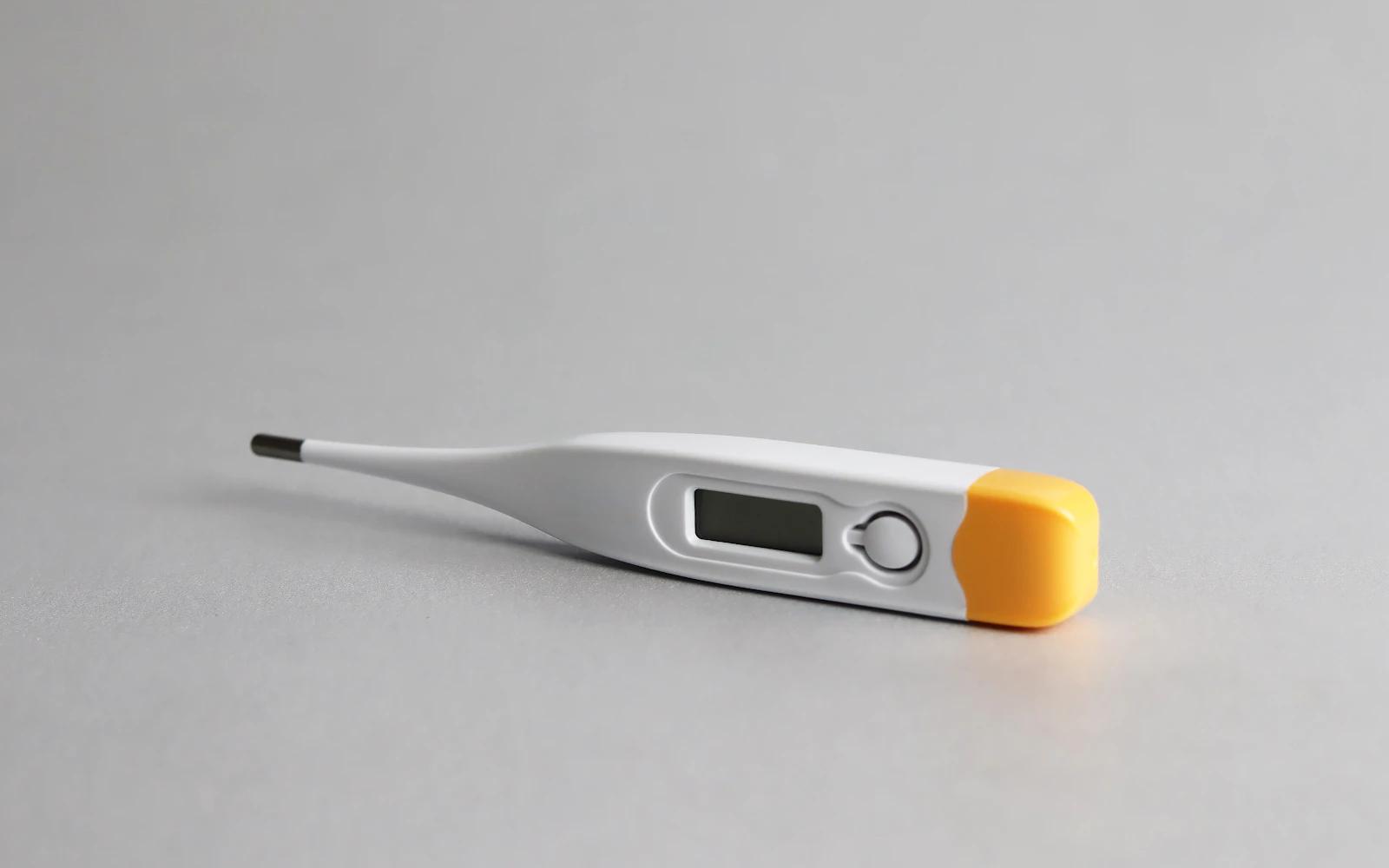
6.2 | Independent thermometer and barometer readings | MVP | Hannah, Yordanos | 3 h + 6 h | Sprint 1 |
6.3 | Abnormal temperatures on purpose | MVP | Hannah, Yordanos | 12 h + 16 h | Sprint 2–3 |
6.4 | The drone ready for flight and data collection | MVP | Samuel | 4 h | Built |
The user stories
6.1 · Simulated equipment, and a definition of faulty
MVP · Sprint 1 · Hannah, Yordanos · 5 h (Hannah) + 10 h (Yordanos); 1 h each for the definitions
As the team, we want simulated equipment built from boxes, with a definition of "faulty", so that we can test inspection without real machinery.
Tasks
Build the physical equipment model.
Write preliminary definitions of "faulty".
Done when
Test boxes are placed inside the flight area.
Each box has a written normal and faulty definition.
6.2 · Independent thermometer and barometer readings
MVP · Sprint 1 · Hannah, Yordanos · 1.5 h each to acquire; 1.5 h + 4.5 h of readings
As the team, we want independent thermometer and barometer readings, so that we can confirm the drone measured a real change.
Tasks
Acquire a thermometer and barometer.
Take reference readings beside the test boxes.
Done when
Both instruments acquired and tested.
Reference readings recorded next to the drone's, for the same spot and time.
This matters more than it sounds: the drone's temperature sensor shares a board with electronics that heat up, and its readings are corrected for that (Part 3). An independent instrument is how we know the correction is right in this room.
6.3 · Abnormal temperatures on purpose
MVP · Sprint 2–3 · Hannah, Yordanos · 12 h (Hannah) + 16 h (Yordanos)
As the team, we want to create abnormal temperatures on purpose, so that we can check that the system catches them.
Tasks
Simulate abnormal temperature readings with a hand warmer.
Done when
The drone's reading near the heated box differs from the unheated one by a measurable amount.
This is the fault Part 4's alert (4.6) must catch, and Part 4's real-time stretch goal (4.9) catch in flight.
6.4 · The drone ready for flight and data collection
MVP · Built · Samuel · 4 h
As a contributor, I want the drone confirmed ready for flight and data collection, so that test time is not wasted.
Tasks
The drone flies stably with manual controls; automated tests run on every change.
Done when
Manual flight works; the flight agent's 695 automated tests pass.
Every lab session follows the same ladder, and writes what it measured to the flight log: ./cropwatcher check (every check, no motor spins), ./cropwatcher stations (which base stations the drone receives), ./cropwatcher geometry (where they are), then a short ./cropwatcher hover. A number with no units is not a measurement; a conclusion with no number is an opinion.
What is left
Sprint 1: the boxes, the definitions and the reference readings. Sprints 2–3: the hand-warmer fault.
Source: our Project Management Planning document (PDF) — the user stories, owners, estimates and acceptance criteria are quoted from it.