Skip to content

Team 18 · Capstone project

DroneDeck

An autonomous drone that inspects the site it is deployed in.

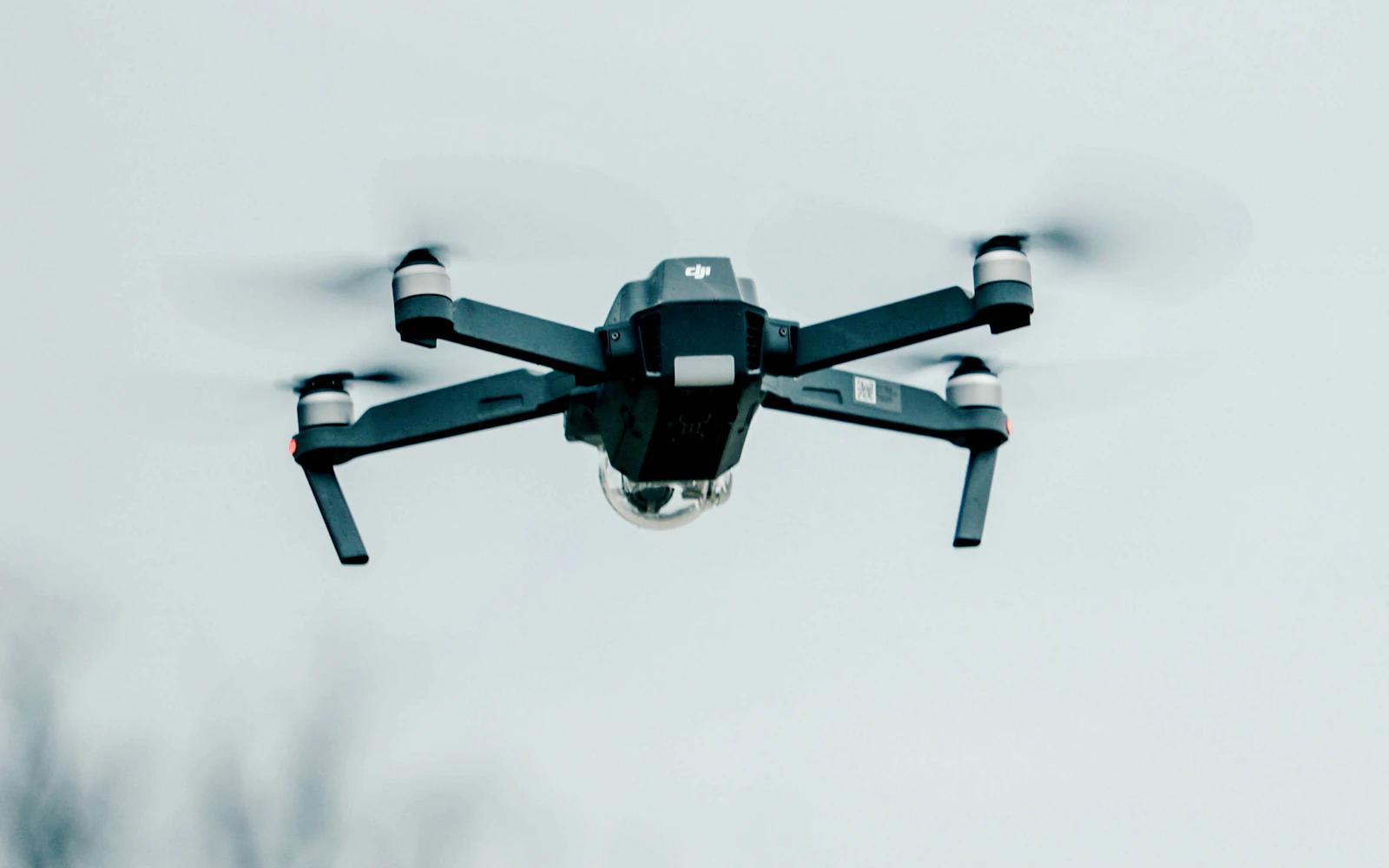
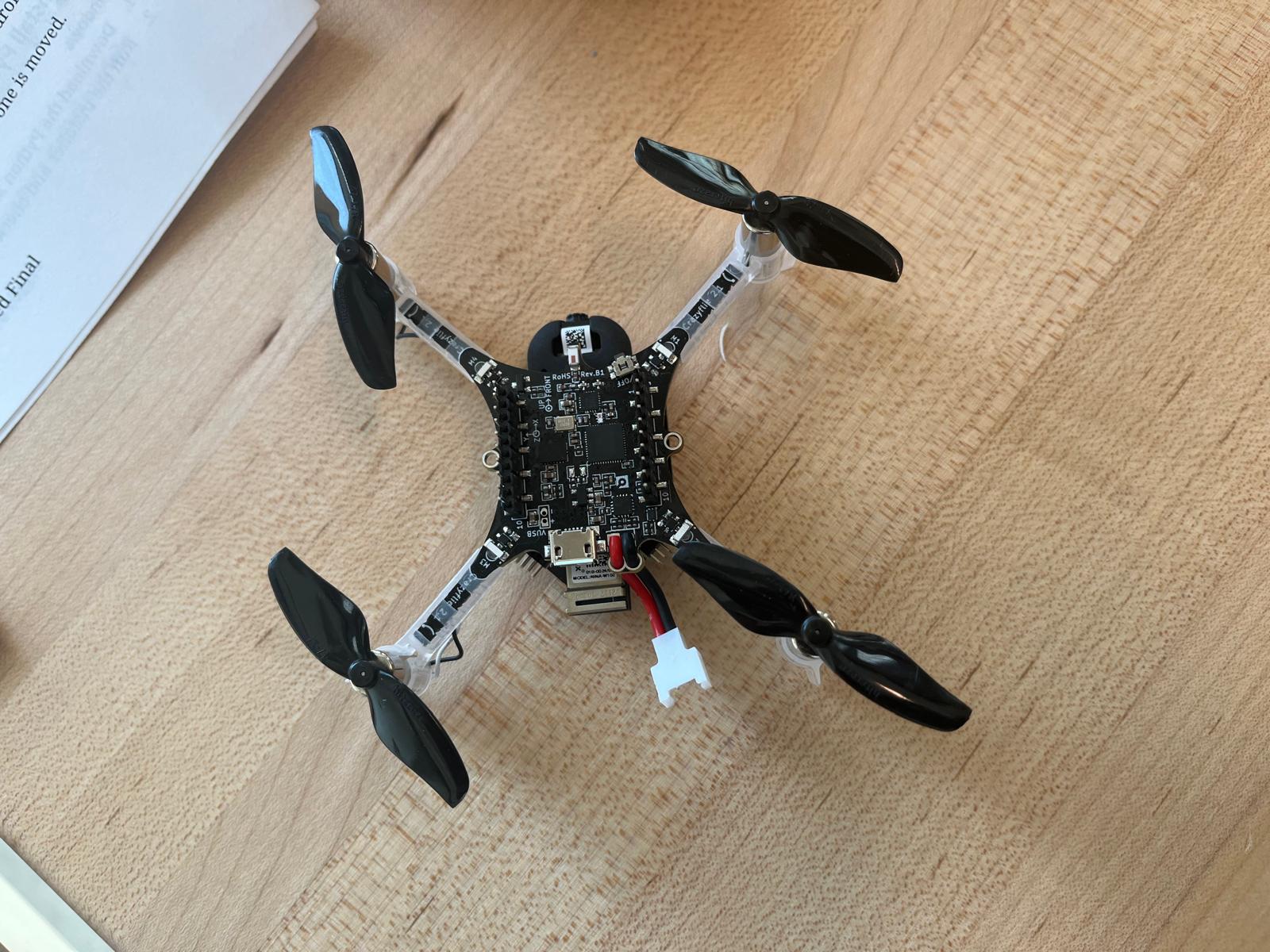
DroneDeck flies a Crazyflie 2.1 through a route of inspection points, records temperature, pressure and images at each one, and flags equipment that looks wrong — on a desktop app that flies it, and a dashboard that shows what it found.

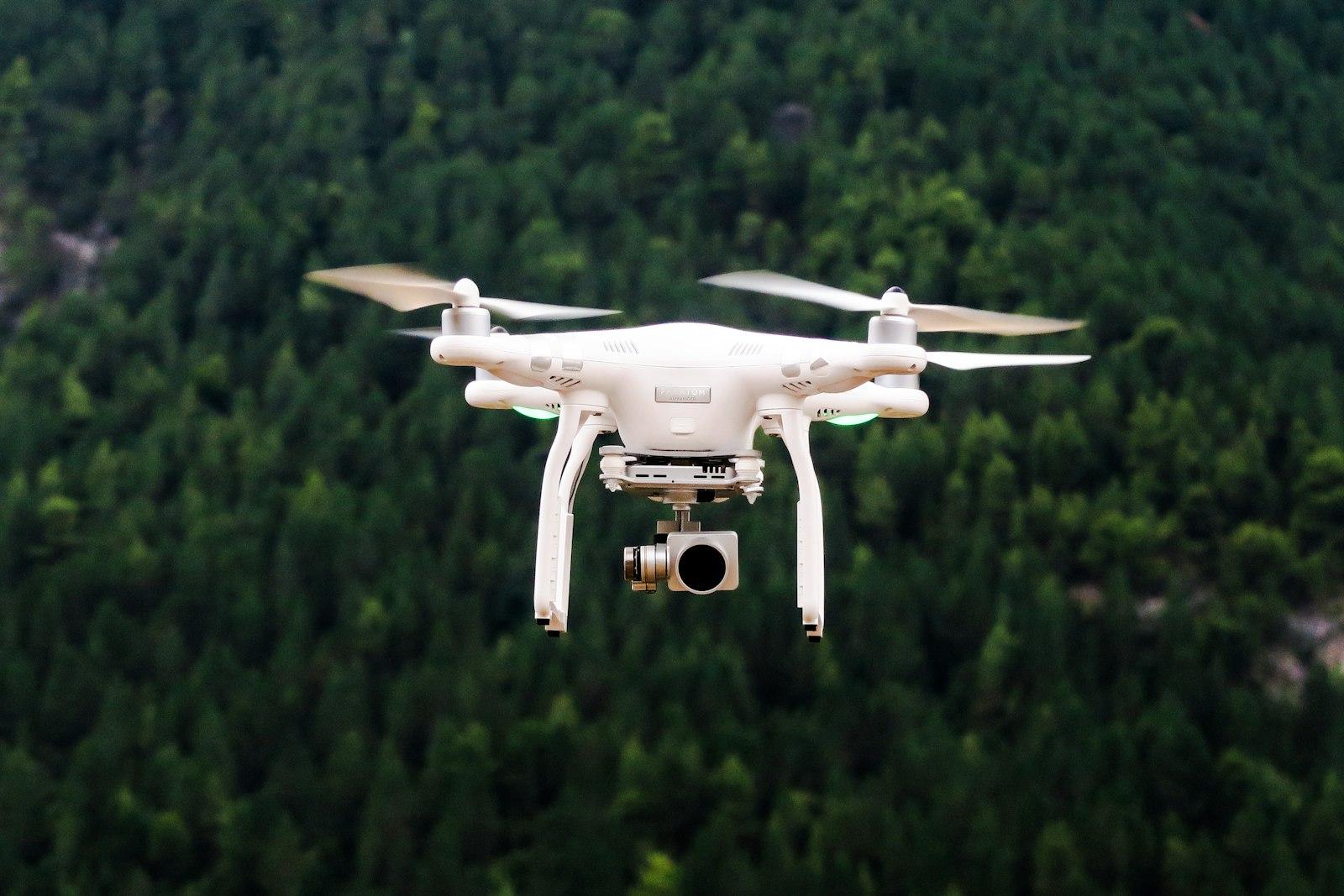
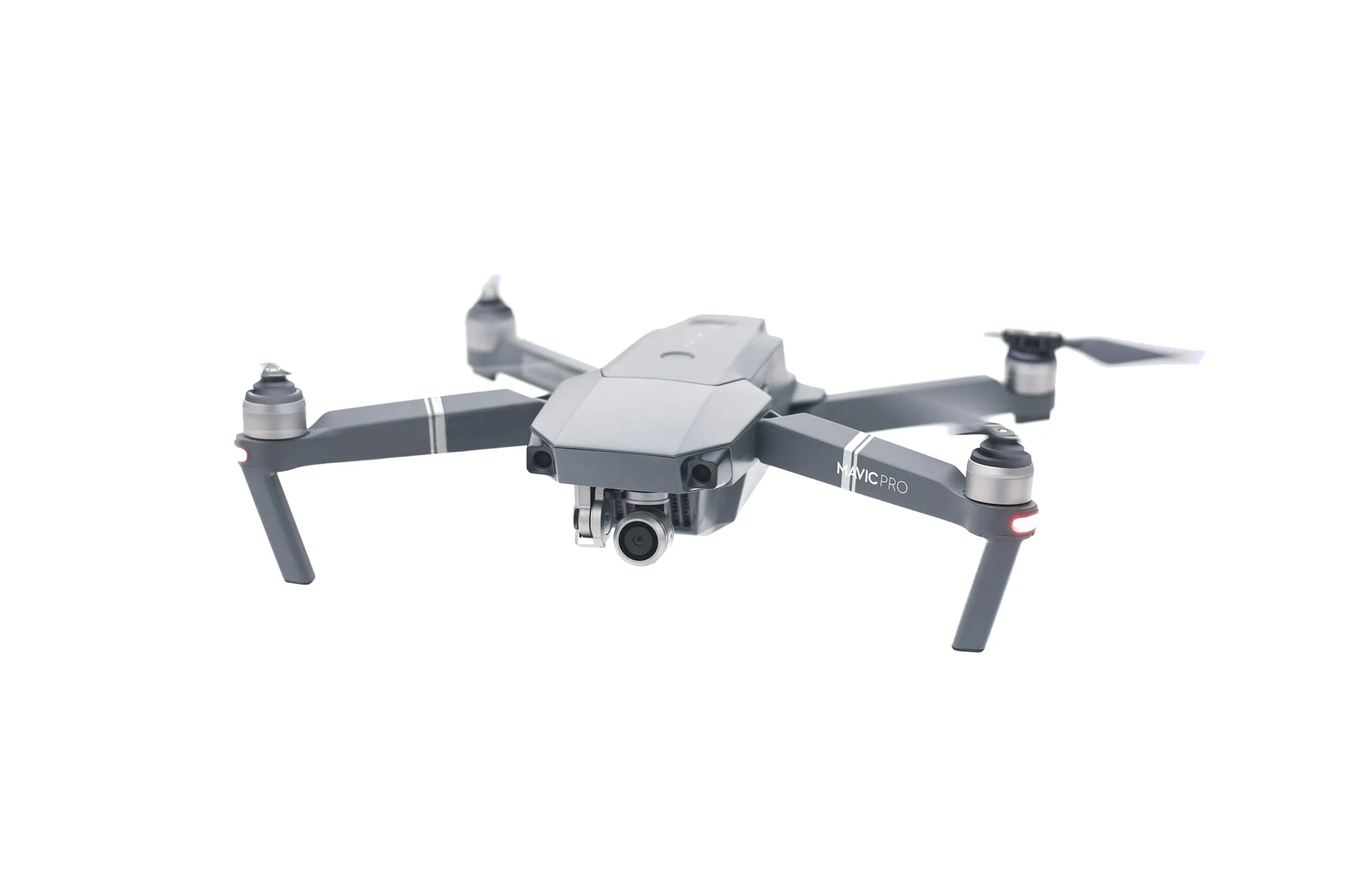
A grey quadcopter drone hovering against a white background
User stories · 34 MVP, 7 stretch
41
Stories built before Sprint 1
13
Person-hours planned
689
Automated tests on the flight code
695

Six parts, one system

Our planning document splits the work into six parts. The apps and the flight software under them are built; autonomous flight and the data pipeline are this sprint's work. Each part has its own page: what it does, how it was built or will be, who owns it, and what is left.

All six parts, the overview and the design document →

Where the project stands

Sprint by sprint, from our planning document. Sprint 0 is what was built before the plan was written; Sprint 1 is the backlog we committed to on 28 September. Later sprints show the order the remaining stories are planned in — the dates for each task are in our Jira timeline.

  1. Sprint 0 · 16–27 Sep

    Done

    The apps and the flight software under them

    Website and desktop app, one sign-in with an operator role enforced in the database, keyboard flight that holds its position, live sensor windows, the live camera, flight history and comparison, pre-flight checks with an audit trail, a one-command install on macOS, Windows and Linux, the virtual fence, the mission planner, and recording plus upload of every reading and frame.

  2. Sprint 1 · 28 Sep – 11 Oct

    Now

    First autonomous flights, the test rig and the first model

    Hannah and Samuel: measure the base stations, fly take-off → Point A → Point B → land three times in a row. Hannah and Yordanos: build the test boxes, define faulty, take reference readings and photograph the boxes for training. Kevin: clean bad sensor readings, sharpen and colourise frames. Reagan: sharpen frames, train the first faulty / not-faulty image classifier.

  3. Sprint 2 · 12–25 Oct

    Next

    Capture at every point, and one pipeline

    Return to base at the end of every mission; capture images and readings while holding at each inspection point and tag them with the point's ID; one command that runs a recorded flight through the pipeline; thresholds and a sensor classifier that flag anomalies with a reason; hand-warmer tests; the setup guide.

  4. Sprint 3 · 26 Oct – 8 Nov

    Next

    Missions from the website, alerts on the dashboard

    The flight agent picks up routes queued on the website; flagged equipment is highlighted on the dashboard and each alert opens to its reading or image and reason; the operating guide; a full mission over the test boxes, end to end.

  5. Sprint 4 · 9–22 Nov

    Next

    The waypoint guide, and the first stretch goals

    Marker and waypoint guide for a new indoor space; return to base on low battery; flagging change against a baseline image; anomaly detection during the flight rather than after it.

  6. Thanksgiving · 23–29 Nov

    Next

    A lighter week

    Hannah and Reagan work ten hours rather than twelve; everyone else keeps their usual hours.

  7. Sprint 5 · 30 Nov – 6 Dec

    Next

    Remaining stretch goals

    A second, closer pass over a flagged point; a model that combines images, readings and the equipment's history; obstacle detection with a range sensor; plain-English commands.

  8. Final · 7–13 Dec

    Next

    Demo and hand-over

    Final demonstration, the documentation complete, and the system handed over runnable by someone outside the team.

Our project management plan

Everything above comes from this document: the person-hours each of us has, all 41 user stories with their owners, estimates and acceptance criteria, the Gantt chart, and the Sprint 1 backlog.

Read the plan (PDF) (PDF, opens in a new tab)

From the gallery

Every album

Built by Hannah Alexander, Reagan Gary, Kevin Loi, Yordanos Tessema and Samuel Zih, on a Crazyflie 2.1 with Lighthouse positioning. Meet the team.