Systems
Autonomous flight and navigation
Part 2 · Take off, fly a route of inspection points, land where it started
Sprint 1 → Sprint 5 · Led by Hannah Alexander
What this part is
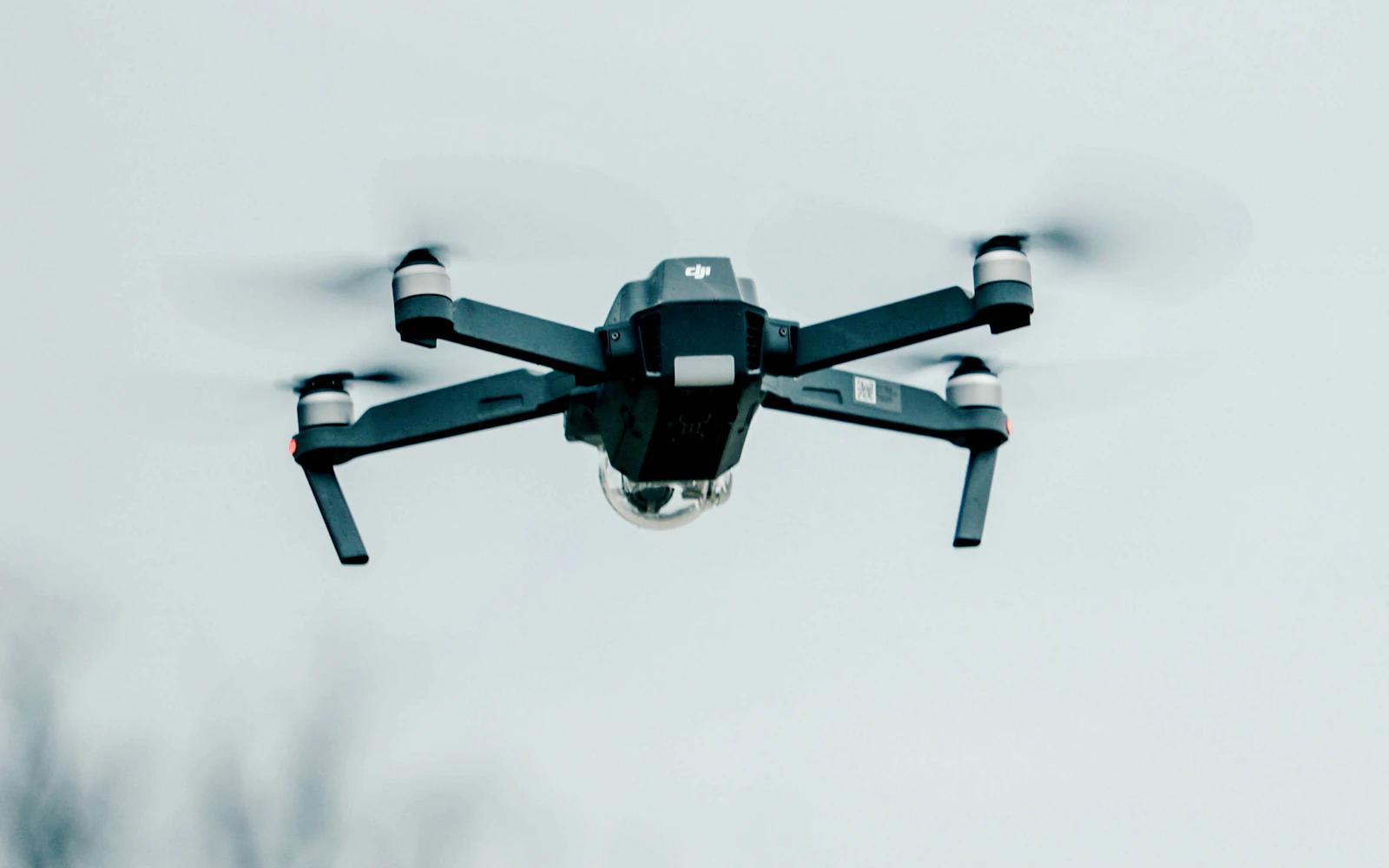
An inspection is only repeatable if the drone flies the same route the same way every time, without a pilot. This part takes the drone from a take-off point through a planned list of inspection points — holding steady at each — and back to where it started, inside a fence it cannot leave. It is built on the same machinery as manual flight (Part 1): the same position estimate, the same safety guards, the same pre-flight checks.
ID | User story | MVP / stretch | Owner | Estimate | Status |
2.1 | Take off, hover, land by itself | MVP | Samuel, Hannah | 4 h each | Sprint 1 |
2.2 | Hold position and height steadily | MVP | Samuel, Hannah | 10 h + 5 h | Sprint 1 |
2.3 | A virtual fence | MVP | Samuel | 3 h | Built |
2.4 | Point A to Point B by itself | MVP | Samuel, Hannah | 14 h + 8 h | Sprint 1 |
2.5 | Plan a route of inspection points | MVP | Samuel, Reagan, Kevin | 15 h | Planner built · pickup Sprint 3 |
2.6 | Return to base when the mission ends | MVP | Hannah, Samuel | 6 h each | Sprint 2 |
2.7 | Return to base on low battery | Stretch | Hannah, Yordanos | 24 h + 20 h | Sprint 4 |
2.8 | Avoid walls, people and equipment | Stretch | Kevin | 30 h | Sprint 5 |
Where we start from
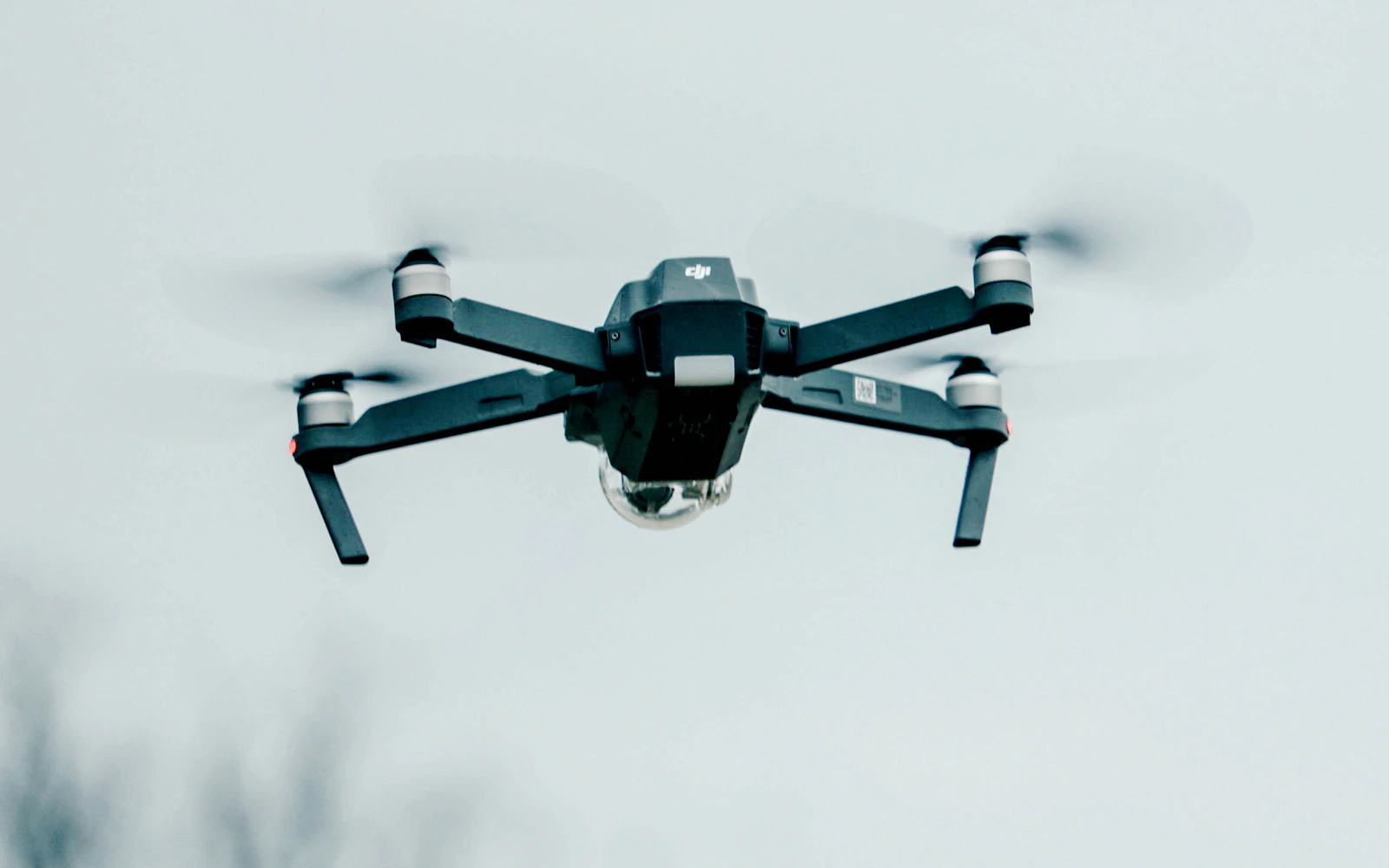
Positioning is the precondition for all of it. The drone knows where it is from the Lighthouse deck, which reads sweeps from base stations mounted in the room. Without it, the drone falls back to its barometer — and indoors that is not good enough: in one measured flight the barometer swung through 72 cm while the height target never moved, against 1.3 cm on the Lighthouse, 55 times steadier. Every flight since has fallen back to the barometer for one reason: the base stations' geometry has never been measured in this room. Measuring it is the first task of Sprint 1.
The user stories
2.1 · Take off, hover and land by itself
MVP · Sprint 1 — code built, not yet flown on position · Samuel, Hannah · 2 h each, twice
As an operator, I want the drone to take off, hover at a set height and land by itself, so that a mission can start and end without anyone piloting it.
Tasks
Take off from the ground, hold position for 10 seconds, land safely.
Measure the Lighthouse geometry and fly on it.
Done when
The drone rises to 0.3 m above its take-off floor, holds for 10 seconds, and lands with no key pressed.
The flight trace shows it flew on the Lighthouse, not the barometer.
Built: a take-off → hold → land program (./cropwatcher hover --height 0.3 --secs 10, and Auto mode in the desktop app), with every wait watched by the same guards as manual flight. What remains is flying it with positioning, and reading the trace to prove it.
Three rules this code already follows, each learned the hard way: read the drone's own permission to fly rather than a battery threshold; hand over from manual to autonomous control explicitly, or the drone accepts the take-off command and never spins a motor; and wait for the position estimate to settle rather than a fixed pause — an early reading once put the take-off target 0.14 m below the floor.
2.2 · Hold position and height steadily
MVP · Sprint 1 · Samuel, Hannah · 10 h (Samuel) + 5 h (Hannah)
As an operator, I want the drone to hold its position and height steadily indoors, so that every reading and image is taken from the same spot.
Tasks
Confirm the Lighthouse deck is detected; measure the base-station geometry; confirm the position estimate settles.
Done when
The pre-flight check reports the estimate settled under 2 cm.
Drift stays under 10 cm during a 10 s hover.
How we will do it: ./cropwatcher check to confirm the deck is seen (on 23 September it read as absent until the boards were reseated), ./cropwatcher geometry --distance 1.0 to measure the stations, then ./cropwatcher check again for the settle. Drift is read from the flight trace the agent writes beside every flight, not judged by eye.
One more rule: the Lighthouse's zero is not the floor — measured floor level ranged from 0.85 to 1.40 m in the same room. Height is always measured from the floor captured at take-off.
2.3 · A virtual fence
MVP · Built · Samuel · 3 h
As an operator, I want a programmed virtual fence around the flight area, so that the drone can never leave the safe space.
Tasks
A geofence of ±2.0 m and a 1.0 m ceiling, checked every 0.1 s in flight; a breach lands the drone.
Done when
A route with a point outside the fence is refused before take-off.
Crossing the fence in flight lands the drone.
Built into the agent's guards, which also watch for a tumble, lost positioning, drift, height error, stale telemetry and the battery — each a verdict with an action and a reason. Routes are checked against the fence, and against a map of known obstacles, before a motor spins.
2.4 · Point A to Point B by itself
MVP · Sprint 1 · Samuel, Hannah · 7 h + 4 h, twice
As an operator, I want the drone to fly a predefined inspection route from one marked point of interest to another by itself, so that it can reach a piece of equipment to inspect.
Tasks
Take off, go to Point A, then Point B, 1 m apart.
Land at Point B without manual piloting, using the mission waypoint model already in the agent.
Done when
The drone arrives within 10 cm of Point B, three runs in a row.
At Point B it holds 5 s and lands with no manual input, three runs in a row.
How we will do it: the agent already has a waypoint model and a go-to command. The work is flying it on the Lighthouse, measuring arrival error from the trace, and repeating until three consecutive runs pass.
2.5 · Plan a route of inspection points
MVP · Planner built · pickup Sprint 3 · Samuel, Reagan, Kevin · 5 h + 10 h
As an operator, I want to plan an inspection route by picking the points of interest in order, so that the drone visits every piece of equipment.
Tasks
A mission planner on the website that builds and validates the route.
The flight agent picks up routes queued on the website.
Done when
The planner can build and validate a route.
A route queued on the website is flown by the desktop app; points outside the fence are rejected.
Built: the Plan page. You click the areas in the order to visit them, set the altitude and hold time, and queue it. The server rebuilds the route from its own table of areas rather than trusting what the browser sent, and validates it.
To build: the agent claiming a queued route. The database function that hands a route to exactly one agent exists; nothing calls it yet. Routes start from the desktop app until then.
2.6 · Return to base when the mission ends
MVP · Sprint 2 · Hannah, Samuel · 6 h each
As an operator, I want the drone to return to base and land safely when the mission ends, so that it is ready for the next run.
Tasks
A final return-to-base leg on every mission, landing on the starting point.
Done when
After the last point, the drone lands within 20 cm of where it took off.
How we will do it: the take-off position is already captured for every flight; the mission gains a last leg back to it.
2.7 · Return to base on low battery
Stretch · Sprint 4 · Hannah, Yordanos · 10 h + 8 h, then 14 h + 12 h
As an operator, I want the drone to fly back to base and land safely when its battery runs low, so that it never drops out of the air mid-mission.
Tasks
Define a low-battery threshold and detect it.
Return to base and land when it is reached.
Done when
Below the threshold (under 30), the drone reports it.
It then stops the mission, returns to base, and lands within 20 cm of where it took off.
A battery guard already exists — today it lands the drone where it is. This adds returning first, with enough margin to get home.
2.8 · Avoid walls, people and equipment
Stretch · Sprint 5 · Kevin · 14 h + 16 h
As an operator, I want the drone to avoid collisions with walls, people and equipment, so that it does not collide during a mission.
Tasks
Fit a range sensor for live detection.
Basic obstacle detection; routes are already checked against a map of known obstacles.
Done when
A route through a known obstacle is refused.
The drone stops before an unexpected obstacle.
The known-obstacle check is built. Live detection needs hardware: the drone reports no range-finding deck fitted today.
What is left
Sprint 1: measure positioning; fly 2.1, 2.2 and 2.4 until they pass.
Sprint 2: return to base (2.6). Sprint 3: missions from the website (2.5).
Stretch: low-battery return (2.7) and obstacle avoidance (2.8).
Source: our Project Management Planning document (PDF) — the user stories, owners, estimates and acceptance criteria are quoted from it.