Data
Anomaly detection and alerts
Part 4 · From a recorded flight to a verdict for every piece of equipment
Sprint 1 → Sprint 5 · Led by Reagan Gary
What this part is
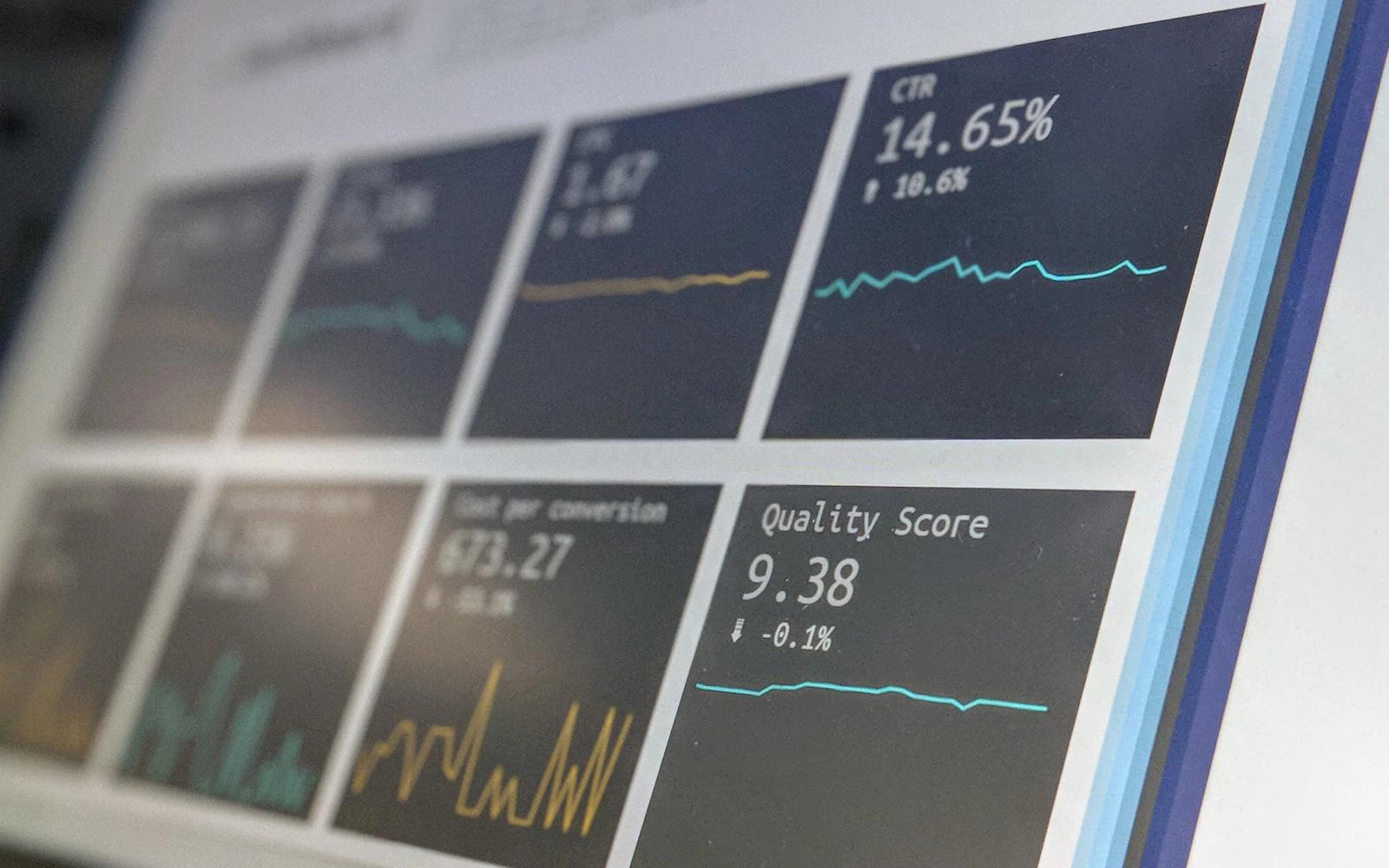
This is where a recording becomes a finding. Every flight's readings and images go through one pipeline — clean, enhance, classify, interpret — and come out as a verdict for each inspection point: normal, or flagged, with the reason. The flags become alerts on the dashboard (Part 1, story 1.9).
It starts this sprint. The previous team's model cannot be reused: 1,280 of its 1,291 inputs are an image embedding of that team's own photographs, and most of the rest are outdoor weather readings. So the training data is ours, of our own test equipment (Part 6).
ID | User story | MVP / stretch | Owner | Estimate | Status |
4.1 | Labelled images of normal and faulty equipment | MVP | Hannah, Yordanos | 2 h + 5 h | Sprint 1 |
4.2 | Bad sensor readings removed | MVP | Kevin | 8 h | Sprint 1 |
4.3 | Clearer images | MVP | Kevin, Reagan | 12 h each + 10 h | Sprint 1 |
4.4 | An image classifier: faulty or not | MVP | Reagan | 12 h | Sprint 1 |
4.5 | One pipeline per flight | MVP | Kevin, Reagan | 10 h each | Sprint 2 |
4.6 | Readings against normal limits, with alerts | MVP | Kevin, Reagan | 4 h + 14 h | Sprint 2 |
4.7 | Change against a baseline image | Stretch | Reagan, Kevin, Samuel | 14 h each | Sprint 4 |
4.8 | Images, readings and history together | Stretch | Reagan, Samuel | 12 h each | Sprint 5 |
4.9 | Anomalies flagged during the flight | Stretch | Samuel, Reagan, Kevin | 12 + 12 + 15 h | Sprint 4 |
4.10 | A second, closer pass over a flagged point | Stretch | Yordanos, Hannah | 10 h + 12 h | Sprint 5 |
The pipeline, end to end
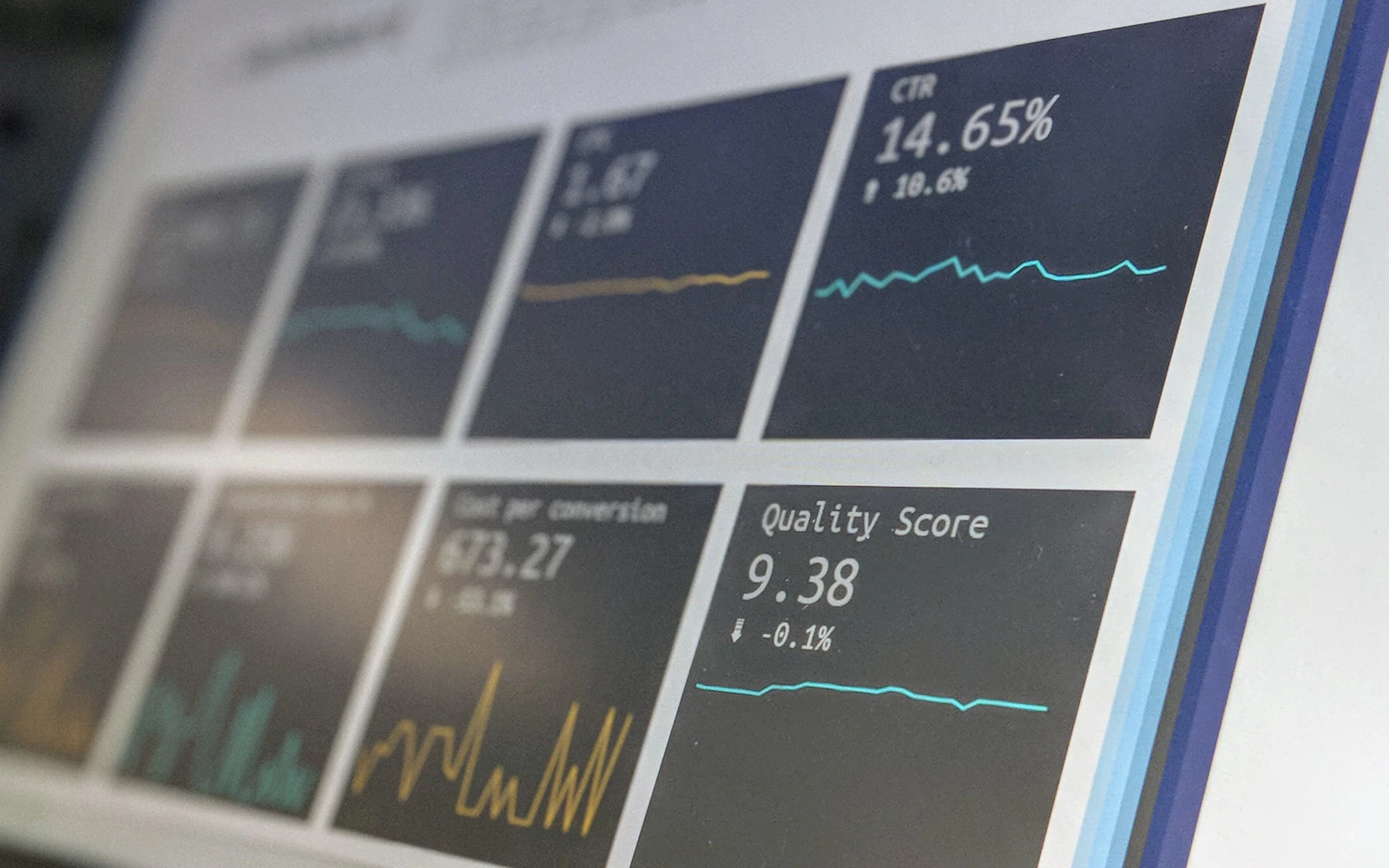
Its input already exists: every flight's readings file and camera frames are in storage, uploaded by Part 3, each reading with its time and position. The pipeline:
Load a flight's readings and frames from storage.
Clean — mark and remove readings from a misbehaving sensor (4.2).
Enhance — raise the resolution of the 324×244 frames, and colourise them (4.3).
Classify — an image model (4.4) and a sensor model against normal limits (4.6).
Interpret — one verdict per inspection point, with the reason, saved for the dashboard (4.5).
The user stories
4.1 · Labelled images of normal and faulty equipment
MVP · Sprint 1 · Hannah, Yordanos · 2 h (Hannah) + 5 h (Yordanos)
As a model developer, I want labeled images of the test equipment in normal and faulty states, so that a model can learn the difference.
Tasks
Photograph the test machine in stable and faulty conditions, from several angles and positions.
Done when
A labelled image set with both classes, from several angles and positions.
The equipment is the test boxes of Part 6, with their written definition of faulty.
4.2 · Bad sensor readings removed
MVP · Sprint 1 · Kevin · 8 h
As an inspector, I want erroneous sensor readings removed, so that a faulty sensor is not mistaken for faulty equipment.
Tasks
A method for identifying outliers and gaps when a sensor misbehaves, marking and removing them.
Done when
Erroneous values planted in a flight data file are flagged; correct rows are left untouched.
Tested the way the acceptance criterion says: plant known-bad values in a real flight file and check exactly those, and nothing else, are flagged.
4.3 · Clearer images
MVP · Sprint 1 · Kevin, Reagan · 12 h each; colour 10 h (Kevin)
As an inspector, I want clearer images, so that even small defects are visible.
Tasks
A model or program that raises the quality and resolution of the 324×244 greyscale frames.
A model or program that colourises them after the fact (low priority).
Done when
Before-and-after on real frames from the drone shows visibly more detail.
Greyscale images show the colour of objects accurately.
Judged on the drone's own frames, not sample images — the camera's quirks are the problem being solved.
4.4 · An image classifier: faulty or not
MVP · Sprint 1 · Reagan · 12 h
As an inspector, I want a model that looks at an image and can define it as faulty or not, so that defects are found automatically.
Tasks
Train a simple classification model on the labelled images (faulty vs. not faulty).
Done when
Accuracy reported on a held-out test set, with the misclassified examples reviewed.
Simple first, measured honestly: a held-out set the model never trained on, and every mistake looked at.
4.5 · One pipeline per flight
MVP · Sprint 2 · Kevin, Reagan · 10 h each
As an inspector, I want each flight's images and sensor readings to go through one pipeline (clean, enhance, classify, interpret), so that every flight ends with a verdict for each piece of equipment without manual steps.
Tasks
One command that loads a flight's readings and frames from storage, runs the steps in order, and saves the result.
Done when
A single command turns a recorded flight into a verdict for each inspection point.
The steps above, in order, keyed by the inspection-point IDs Part 3 adds.
4.6 · Readings against normal limits, with alerts
MVP · Sprint 2 · Kevin, Reagan · 4 h (Kevin) + 14 h (Reagan)
As an inspector, I want an external program to compare sensor readings against defined normal operating thresholds, so that overheating, pressure changes, or other anomalies are flagged, with the reason, so that I can act on it and review it later.
Tasks
Define normal thresholds, then train a classifier on sensor data that flags deviations offline, with the reason.
Done when
An anomaly is flagged and an alert shown with the original reading or image — a box heated with a hand warmer is flagged; an unheated box is not.
The hand-warmer test is Part 6's: a known fault, made on purpose, checked against a thermometer beside the box.
4.7 · Change against a baseline image
Stretch · Sprint 4 · Reagan, Kevin, Samuel · 14 h each
As an inspector, I want visual changes in captured images flagged against a baseline reference image, so that a change in the equipment is noticed even without a trained fault class.
Tasks
Store a baseline image per inspection point and compare each new image against it.
Done when
A visible change to a box is flagged; the same box unchanged is not.
4.8 · Images, readings and history together
Stretch · Sprint 5 · Reagan, Samuel · 12 h each
As an inspector, I want the model to use images and sensor data together, plus the equipment's history, so that its verdicts are more reliable.
Tasks
Combine the image and sensor models with past readings for the same equipment.
Done when
The combined model is at least as accurate as either model alone on the test set.
4.9 · Anomalies flagged during the flight
Stretch · Sprint 4 · Samuel, Reagan, Kevin · 12 h + 12 h + 15 h
As an operator, I want anomalies flagged during the flight, not after it, so that the mission can react right away.
Tasks
Run the classifier on live data as it arrives.
Done when
An alert appears while the drone is still at that point — a heated box flagged in real time.
The live readings are already on the laptop at 10 Hz (Part 1, story 1.4); this runs the model on them as they arrive.
4.10 · A second, closer pass over a flagged point
Stretch · Sprint 5 · Yordanos, Hannah · 10 h + 12 h
As a user, I want the drone to alter its mission in real time and inspect a flagged point again (a second, closer pass) when a sensor finds an issue, then return to its base.
Tasks
The steps for the drone to revisit a flagged location, collect new data, and return to the route.
Done when
A valid warning triggers the revisit; old, repeated or erroneous warnings do not.
New data is collected, the drone continues to the next waypoint, and failed checks are recorded.
What is left
All of it — this part starts in Sprint 1 with 4.1 to 4.4, and 4.5 and 4.6 follow in Sprint 2.
Source: our Project Management Planning document (PDF) — the user stories, owners, estimates and acceptance criteria are quoted from it.